
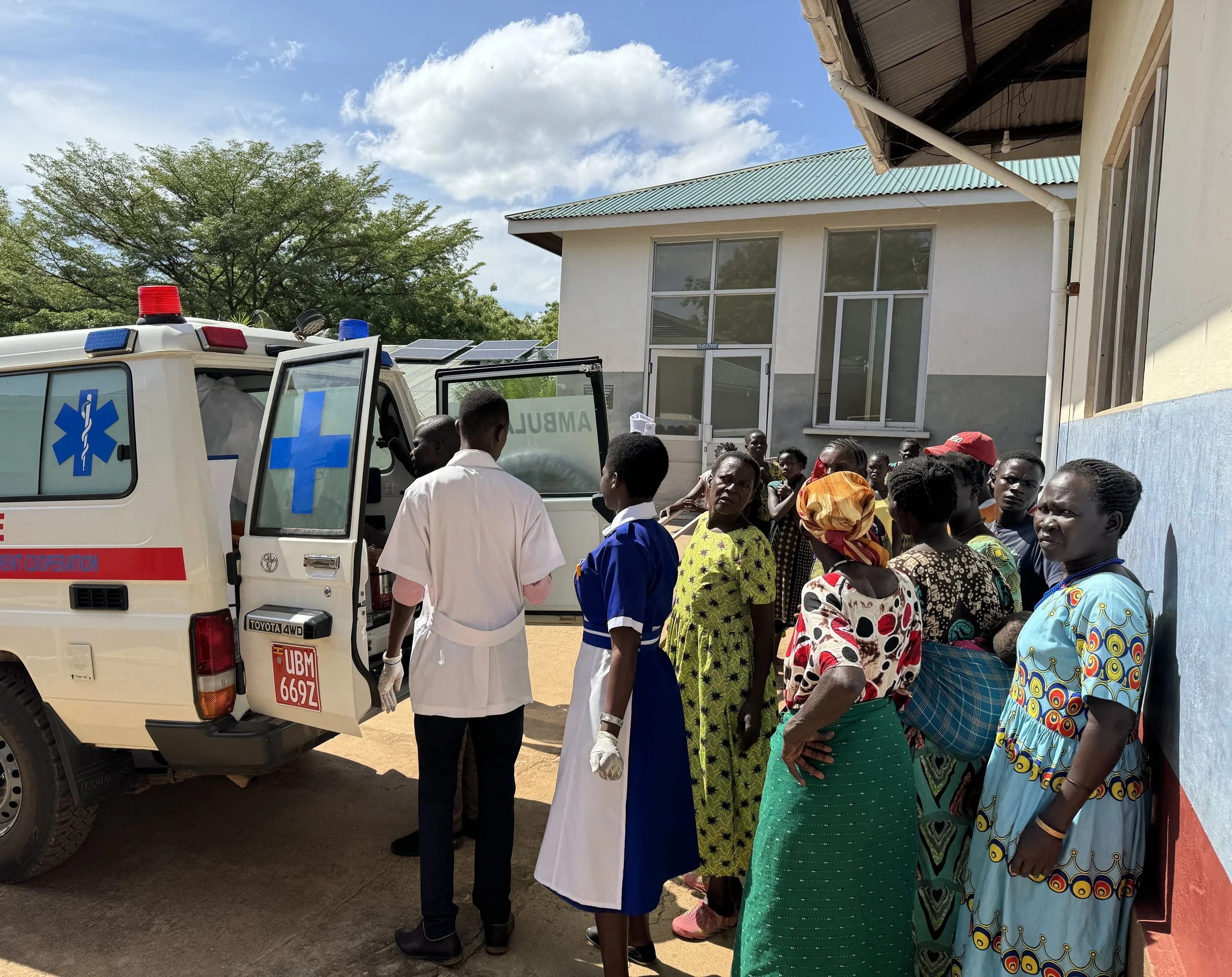
More than 4.5 billion people lack full access to essential health services, and nearly 30 million people die each year from conditions that emergency care could address.
OASES bridges this gap through four interconnected pillars that tackle the structural, clinical, and technological barriers to high-quality emergency care in medical deserts, places where trained providers, facilities, and health services are scarce or out of reach.
Quality improvement. We work alongside hospital teams to assess emergency care capacity, redesign clinical workflows, and implement evidence-based protocols. Our interventions integrate facility-level capacity assessment, structural and organizational reorganization, and ongoing performance monitoring.
Training. We deliver structured training programs for frontline clinicians, based on World Health Organization (WHO) frameworks and adapted to local epidemiology, resources, and workflows.
Digital decision-support tools. We have developed and validated an intuitive tablet-based clinical decision support tool that guides frontline clinicians through evidence-based triage, diagnosis, and treatment of common acute conditions. Designed for use in settings with limited infrastructure, the OASES App also captures structured clinical data in real time, supporting quality improvement, epidemiological surveillance, and research.
Research. We generate evidence on what works in emergency care delivery in low-resource settings, with findings disseminated through peer-reviewed publications.